

Fashion is evolving. Consumers are becoming more aware of the environmental impact of their purchasing decisions, and the denim industry is at the center of this transformation. As concerns about climate change, water consumption, and ethical manufacturing continue to grow, sustainable denim has emerged as one of the most important movements in modern fashion.
Among the many innovations driving this change, organic cotton jeans stand out as a practical and impactful solution. By reducing harmful chemicals, conserving natural resources, and promoting responsible farming practices, organic cotton is helping reshape how jeans are made and worn.
At Bear Birches, sustainability is more than a trend—it's a commitment to creating high-quality denim that respects both people and the planet. Through responsible sourcing and timeless designs, the brand aims to make eco friendly jeans accessible to conscious consumers seeking both style and sustainability.
The Environmental Cost of Traditional Denim
Denim has long been a wardrobe essential, but conventional production methods often come with significant environmental consequences.
Traditional cotton farming relies heavily on synthetic pesticides, fertilizers, and large amounts of water. According to environmental studies, cotton cultivation accounts for a substantial portion of agricultural chemical use worldwide. These chemicals can contaminate soil, waterways, and surrounding ecosystems while posing risks to farming communities.
The manufacturing process adds another layer of environmental impact. Conventional denim production often requires:
-
Excessive water consumption
-
Chemical-intensive dyeing processes
-
Energy-heavy manufacturing facilities
-
Long global supply chains that increase carbon emissions
As consumers become more informed, many are actively seeking alternatives that align with their values. This shift has fueled growing demand for ethical denim fashion and responsible production practices.
For readers interested in understanding the broader movement toward responsible manufacturing, Bear Birches explores the topic in detail through its guide on responsible denim: What Is Responsible Denim?
What Makes Organic Cotton Different?
Organic cotton is grown using farming methods designed to protect ecosystems while reducing environmental harm.
Unlike conventional cotton, organic cotton is cultivated without:
-
Synthetic pesticides
-
Toxic herbicides
-
Genetically modified seeds
-
Artificial fertilizers
Instead, farmers rely on natural techniques such as crop rotation, composting, and biological pest control to maintain healthy soil and productive harvests.
These methods offer several benefits:
Lower Water Usage
Healthy organic soil retains moisture more effectively, reducing irrigation requirements and helping conserve precious water resources.
Improved Soil Health
Organic farming encourages biodiversity and supports natural ecosystems. Healthy soil can store more carbon, helping reduce greenhouse gas emissions over time.
Reduced Chemical Pollution
Without toxic pesticides and synthetic fertilizers entering local waterways, surrounding ecosystems remain healthier and more resilient.
These advantages make organic cotton jeans a key component of the sustainable fashion movement.
Why Consumers Are Choosing Sustainable Denim
Modern shoppers are looking beyond price and appearance. They increasingly want to know:
-
Where their clothing comes from
-
How it was produced
-
Whether workers were treated fairly
-
What environmental impact their purchase creates
This growing awareness has encouraged the rise of sustainable fashion brands that prioritize transparency and responsible production.
Sustainable denim appeals to consumers because it combines everyday practicality with environmental responsibility. Instead of purchasing disposable fast-fashion products, buyers are investing in garments designed to last longer and create less waste.
This philosophy aligns closely with Bear Birches' approach to creating durable, timeless denim collections for both men and women.
Explore the latest collections:
-
Men's Jeans Collection: https://bearbirches.com/collections/men-jeans
-
Women's Jeans Collection: https://bearbirches.com/collections/women-jeans
Sustainable Denim and the Circular Fashion Movement
The future of fashion is increasingly focused on circularity—the idea that clothing should remain in use for as long as possible rather than ending up in landfills.
Sustainable denim supports this goal through:
-
Higher-quality materials
-
Longer-lasting construction
-
Responsible manufacturing
-
Reduced environmental impact throughout the product lifecycle
Consumers who purchase durable jeans often wear them for years, reducing the need for constant replacements. This simple shift can significantly lower overall clothing consumption and waste generation.
Many experts believe circular fashion will become a defining feature of the apparel industry over the coming decade, making sustainable denim an increasingly important category for conscious shoppers.
Quality and Sustainability Can Coexist
One misconception about eco-friendly fashion is that sustainability requires sacrificing style or comfort. Modern denim brands are proving otherwise.
Today's sustainable jeans offer:
-
Contemporary fits
-
Premium fabrics
-
Durable construction
-
Versatile styling options
-
Long-term value
For example, Bear Birches offers a range of thoughtfully designed denim styles that combine comfort, durability, and modern aesthetics.
Popular options include:
-
Baloo Mid Indigo Tapered Jeans
-
Ursa Straight Fit Jeans
-
Abedul Ankle High Skinny Jeans
-
Shirakaba High Rise Boyfriend Jeans
By investing in well-made garments, consumers can reduce waste while building a more versatile wardrobe.
The Growing Demand for Ethical Denim Fashion
The global fashion industry is experiencing a cultural shift. Consumers, investors, and policymakers are increasingly holding brands accountable for their environmental and social practices.
As a result, ethical production is becoming a competitive advantage rather than a niche selling point.
Brands that embrace transparency, responsible sourcing, and sustainable materials are positioning themselves for long-term success. This trend is expected to accelerate as younger generations place greater importance on environmental responsibility when making purchasing decisions.
The rise of ethical denim fashion demonstrates that consumers are willing to support companies that align with their values while delivering products they genuinely love.
Sustainable Denim: Why Organic Cotton Jeans Are the Future of Fashion (Part 2)
Innovations Driving the Future of Sustainable Denim
The denim industry is constantly evolving, and sustainability is becoming a key focus for manufacturers worldwide. While organic cotton is a major step forward, brands are also exploring new technologies and processes that further reduce environmental impact.
Some of the most promising innovations include:
Water-Efficient Manufacturing
Traditional denim production can consume thousands of liters of water during cultivation, dyeing, and finishing. Sustainable manufacturers are increasingly adopting water-saving technologies that dramatically reduce usage without compromising quality.
Cleaner Dyeing Processes
Conventional dyeing methods often involve harsh chemicals that can pollute waterways. Modern sustainable facilities are implementing cleaner dye technologies that reduce chemical waste and improve environmental outcomes.
Durable Construction
One of the simplest sustainability strategies is producing clothing that lasts longer. High-quality stitching, stronger fabrics, and timeless designs help reduce the frequency of replacement purchases.
This philosophy aligns with the concept of responsible denim, which focuses on creating garments that remain relevant and wearable across generations while reducing unnecessary consumption.
How to Identify Truly Eco Friendly Jeans
As sustainability becomes more popular, many brands use environmental claims in their marketing. However, consumers should know how to distinguish genuinely sustainable products from greenwashing.
When shopping for eco friendly jeans, look for:
Sustainable Materials
Organic cotton remains one of the strongest indicators of environmentally conscious production.
Transparency
Responsible brands openly share information about sourcing, manufacturing, and sustainability initiatives.
Quality Over Quantity
Well-made jeans that maintain their shape and durability over years of wear are generally more sustainable than inexpensive fast-fashion alternatives.
Timeless Design
Classic styles remain wearable for longer periods, reducing the need to constantly follow changing trends.
Consumers who prioritize these factors can make purchasing decisions that support both environmental responsibility and long-term value.
Building a Sustainable Denim Wardrobe
Creating a more sustainable wardrobe does not require replacing everything at once. Small, intentional changes can make a meaningful difference over time.
Buy Less, Choose Better
Investing in a few high-quality pairs of jeans often provides greater value than frequently replacing lower-quality alternatives. When shopping for durable options, explore the Bear Birches Men's Jeans Collection and Women's Jeans Collection to find versatile styles designed for long-term wear.
Select Versatile Styles
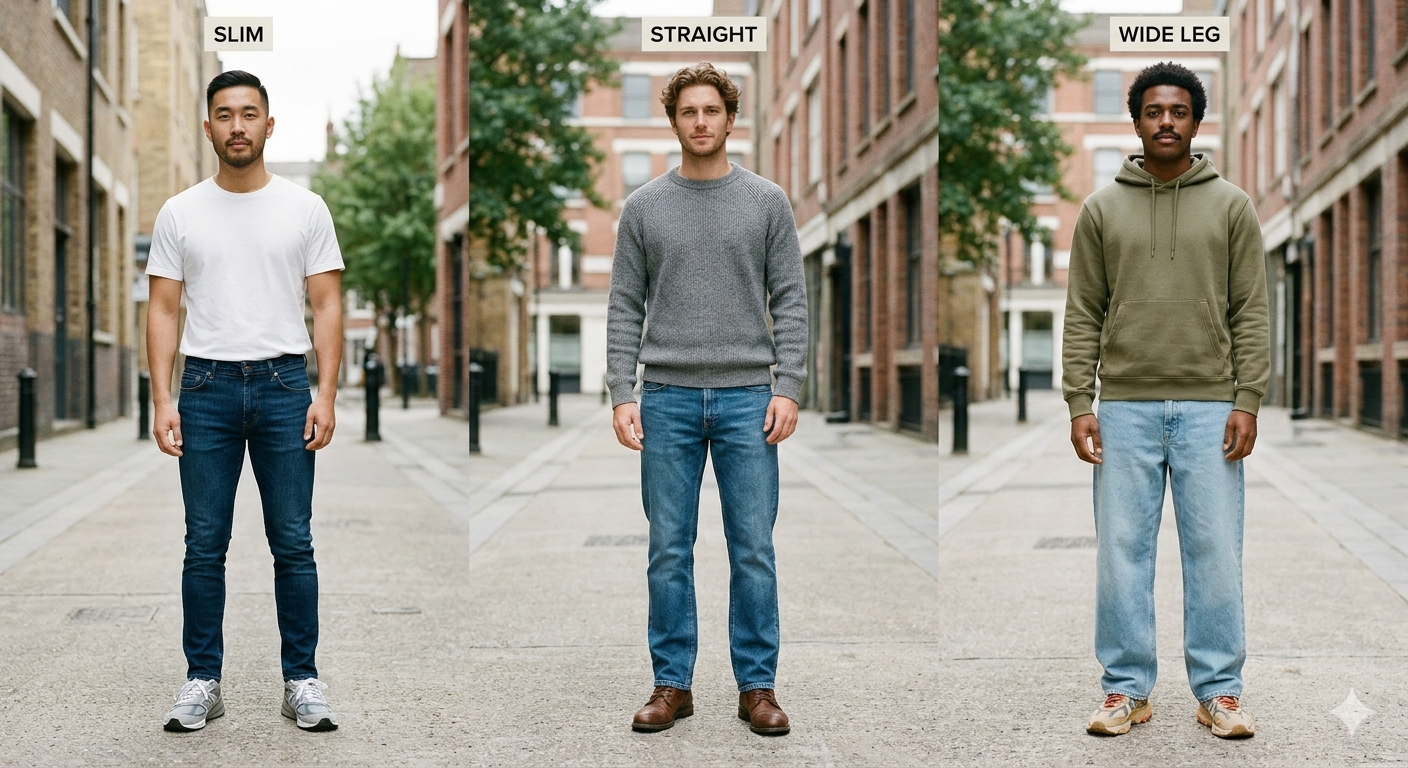
Timeless silhouettes can be worn across multiple seasons and occasions.
Popular examples include:
-
Wide-leg jeans
-
Straight-fit jeans
-
Tapered jeans
-
Bootcut jeans
-
Boyfriend jeans
The growing popularity of wide-leg jeans demonstrates how classic silhouettes can return while remaining relevant in modern fashion.
Care for Your Denim Properly
Proper washing and storage can significantly extend the life of your jeans.
Best practices include:
-
Washing less frequently
-
Using cold water cycles
-
Air drying when possible
-
Avoiding excessive heat
Longer garment lifespans reduce waste and maximize the value of every purchase.
Sustainable Fashion Brands Are Reshaping the Industry
The future of fashion belongs to brands that prioritize environmental stewardship and ethical manufacturing.
Consumers increasingly support companies that:
-
Use sustainable materials
-
Minimize waste
-
Reduce carbon emissions
-
Promote responsible production
-
Create durable products designed for long-term wear
As demand grows, sustainable fashion brands are encouraging industry-wide improvements and setting new standards for transparency and accountability.
Bear Birches is part of this movement, focusing on responsible denim that balances style, comfort, and sustainability. Its commitment to environmentally conscious fashion is reflected throughout its approach to creating eco-friendly pants for a greener wardrobe and reducing fashion's environmental footprint.
Sustainable Denim Styles Worth Exploring
Finding the right fit is essential when building a long-lasting wardrobe. Fortunately, sustainable denim is available in a variety of styles for different preferences and body types.
For Men
The Baloo Mid Indigo Tapered Jeans offer a versatile tapered fit that works well for both casual and smart-casual outfits.
The Ursa Straight Fit Jeans provide a timeless silhouette that remains a wardrobe staple regardless of changing trends.
For Women
The Abedul Ankle High Skinny Jeans create a streamlined look that pairs effortlessly with everyday essentials.
The Beryoza Skinny Deep High Rise Jeans combine a flattering high-rise waist with a contemporary fit.
The Shirakaba High Rise Boyfriend Jeans deliver relaxed comfort while maintaining a polished appearance.
The Canoe Bootcut Women's Jeans offer a balanced silhouette that complements a wide range of body types.
The Noor Dark Wash Wide Leg Jeans embrace one of today's most popular denim trends while maintaining timeless appeal.
The Connection Between Nature and Sustainable Fashion
Sustainability is ultimately about preserving natural ecosystems and respecting the resources that support life.
At Bear Birches, inspiration comes from nature itself. The stories behind the brand reflect a deep appreciation for the natural world, from exploring Nature's Dual Wonder to understanding the traditional uses and modern applications of the Bear Birch.
These perspectives reinforce the idea that responsible fashion should work in harmony with nature rather than at its expense.
Conclusion
The future of fashion is increasingly focused on responsibility, transparency, and environmental awareness. As consumers seek better alternatives to fast fashion, sustainable denim is becoming a preferred choice for those who want style without compromising their values.
By choosing organic cotton jeans, shoppers support farming methods that reduce chemical use, conserve water, and promote healthier ecosystems. Combined with ethical manufacturing practices and durable construction, sustainable denim offers a practical path toward a more responsible wardrobe.
As demand for eco friendly jeans, ethical denim fashion, and sustainable fashion brands continues to grow, organic cotton denim is poised to play a leading role in the next generation of fashion.
Whether you're searching for premium men's denim, modern women's styles, or simply looking to make more conscious purchasing decisions, Bear Birches demonstrates how fashion can combine quality, comfort, and sustainability in every pair of jeans.
Frequently Asked Questions
What is sustainable denim?
Sustainable denim refers to jeans produced using environmentally responsible materials and manufacturing processes that reduce water usage, chemical pollution, and waste.
Why are organic cotton jeans better for the environment?
Organic cotton is grown without synthetic pesticides and fertilizers, helping protect soil health, biodiversity, and water resources.
Are eco friendly jeans durable?
Yes. Many sustainable denim brands focus on premium materials and construction methods designed to extend garment lifespan.
Is sustainable denim more expensive?
While the upfront cost may be higher, sustainable jeans often provide better long-term value because they are designed to last longer.
How can I build a sustainable wardrobe?
Start by purchasing fewer, higher-quality garments, caring for them properly, and supporting brands committed to responsible production. Exploring educational resources about responsible denim and investing in timeless denim styles are excellent first steps.


Leave a comment
All comments are moderated before being published.
This site is protected by hCaptcha and the hCaptcha Privacy Policy and Terms of Service apply.